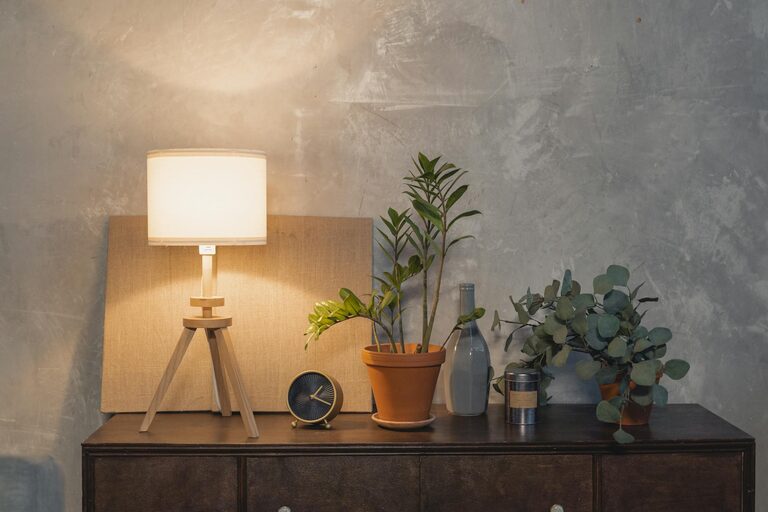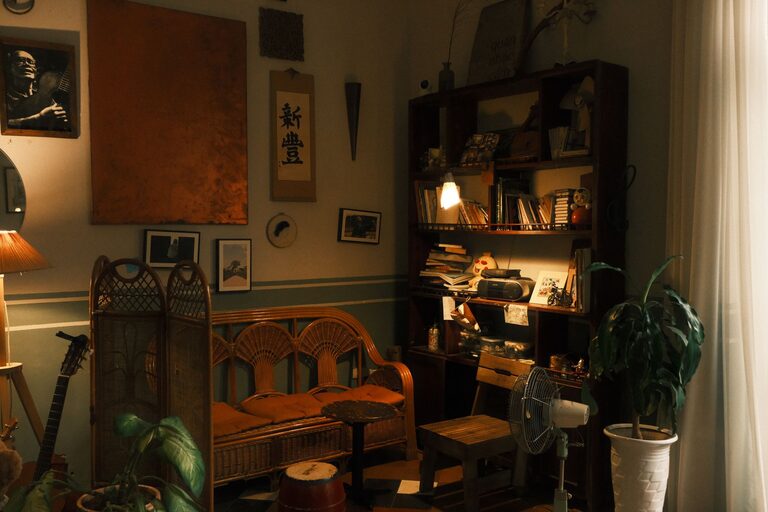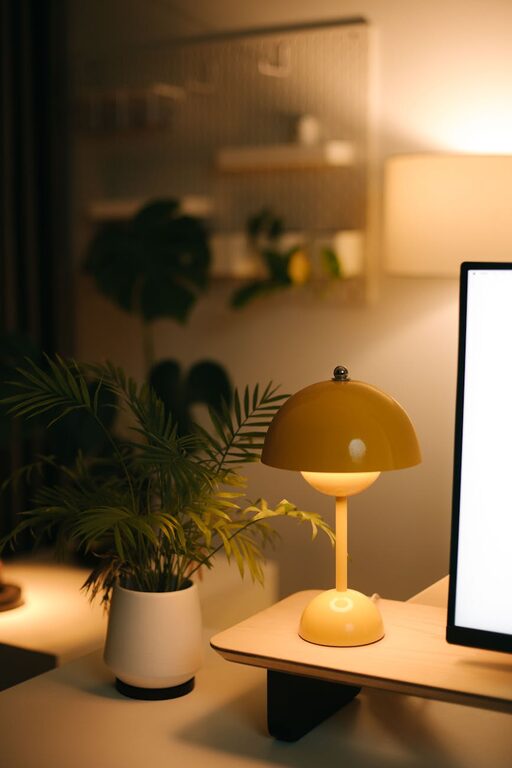
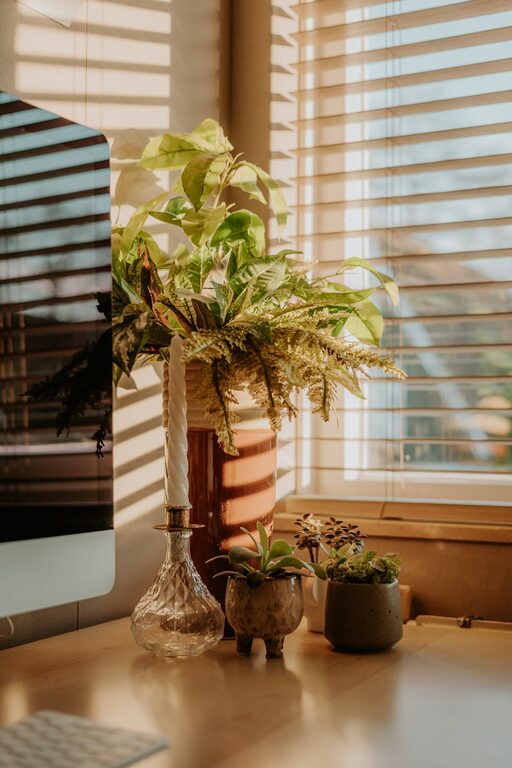
Creating a relaxing home office environment is key to staying productive and maintaining a healthy work-life balance. Since many of us spend hours working from home, having a space that feels comfortable and calming can make a big difference in how we perform and feel throughout the day. Whether you have a dedicated room or a small corner in your living area, these tips will help you design a home office that supports both focus and relaxation.
1. Choose a Location That Suits Your Needs
The first step in creating a relaxing home office is selecting the right space. Ideally, this should be a quiet area with minimal distractions. If possible, pick a spot away from loud household activities or frequent foot traffic. Natural light is a bonus—windows not only brighten the room but can elevate your mood and reduce eye strain.
If you don’t have a dedicated room, consider sections of your home that can be temporarily transformed into a work zone. Using room dividers, curtains, or strategically placed furniture can help create a sense of separation from the rest of your living space.
2. Invest in Comfortable, Supportive Furniture
Your office furniture directly impacts both comfort and posture. A good quality chair with adjustable height and lumbar support helps prevent back pain during long hours of work. Pair it with a desk that fits your space and meets your workflow requirements.
Make sure your monitor, keyboard, and mouse are positioned to reduce strain on your neck, wrists, and eyes. An adjustable laptop stand can help raise your screen to eye level. Ergonomics might seem like a small detail, but it plays a big role in keeping you comfortable and focused.
3. Create a Calming Color Scheme
Colors influence mood and energy levels. For a relaxing home office, opt for soft, neutral tones like light blues, greens, or warm whites. These colors tend to promote calmness and help reduce stress. If you prefer brighter colors, use them as accents in the form of cushions, artwork, or accessories rather than painting entire walls.
Consistency in color schemes also helps create a cohesive and peaceful atmosphere that encourages productivity without overwhelming your senses.
4. Incorporate Plants and Natural Elements
Adding plants to your workspace has multiple benefits. They improve air quality, reduce stress, and add a touch of nature that can brighten your day. Choose low-maintenance plants like succulents, snake plants, or pothos if you’re new to plant care.
In addition to plants, natural elements like wooden desk accessories, stone paperweights, or woven baskets contribute a warm and organic feel to your home office. Bringing a bit of the outdoors inside helps create a sanctuary where you can think clearly and work calmly.
5. Manage Lighting for Comfort and Mood
Good lighting is essential for a relaxing work environment. Maximize natural light during the day by keeping blinds or curtains open. For cloudy days or late work hours, invest in adjustable artificial lighting.
Use a combination of overhead lights and task lighting, such as a desk lamp, to reduce eye strain. Warm light bulbs create a cozy atmosphere, while cooler tones can help you stay alert when needed. Avoid harsh fluorescent lights that can cause headaches or fatigue.
6. Keep Your Workspace Organized and Clutter-Free
A tidy workspace minimizes distractions and mental clutter. Use shelves, drawers, and organizers to keep your desk clear of unnecessary items. Frequent tidying helps maintain a calm environment and prevents the feeling of being overwhelmed.
Consider cable management tools to keep cords neat and out of sight. When everything has its place, it’s easier to focus on work rather than searching for misplaced items.
7. Personalize Thoughtfully
Adding personal touches to your home office can make it a space where you enjoy spending time. Display inspiring quotes, artwork, or photos that uplift you. However, be careful not to overcrowd your desk or walls.
Aim for a balance between personalization and simplicity so that your space remains clean and calming. The goal is to create a setting that energizes you while supporting concentration.
8. Use Sound to Your Advantage
Sound can either help or hinder your ability to focus. If you’re easily distracted by background noise, consider noise-canceling headphones or a white noise machine. Playing soft instrumental music or nature sounds might also enhance your concentration and calmness.
Conversely, if you find silence unsettling, low-volume ambient sounds can provide a comforting background without interfering with your work.
9. Take Breaks and Move Regularly
A relaxing home office isn’t just about the physical space; it includes how you use it. Set reminders to take short breaks, stretch, or walk around. Moving regularly helps reduce physical tension and refreshes your mind.
Designate a spot, such as a cozy chair or a small corner, where you can step away from your desk and relax for a few minutes. This simple habit supports your overall well-being and productivity.
Final Thoughts
Designing a relaxing home office environment combines practical organization with thoughtful design choices. By focusing on comfort, lighting, colors, and personalized touches, you can create a workspace that feels peaceful and inviting. When your office supports your well-being, you’ll find it easier to maintain focus, reduce stress, and enjoy your work-from-home experience. Start with small changes and adapt your space as you discover what works best for you.