Creating a relaxing home office environment is essential to staying productive and maintaining your well-being while working remotely. A well-designed workspace can help reduce stress, increase focus, and improve your overall work-life balance. Whether you have a dedicated room or a small corner in your home, these tips will guide you in transforming your area into a peaceful and effective home office.
Why a Relaxing Home Office Matters
Working from home offers many benefits, but it can also introduce distractions and discomfort that affect your efficiency. A relaxing workspace helps:
– Minimize stress and anxiety
– Improve concentration and creativity
– Encourage better posture and physical comfort
– Create a boundary between work and home life
By setting up a calming environment, you can make your workday more pleasant and productive.
Choosing the Right Location
Selecting the ideal spot for your home office is the first step toward a relaxing environment.
Consider Natural Light
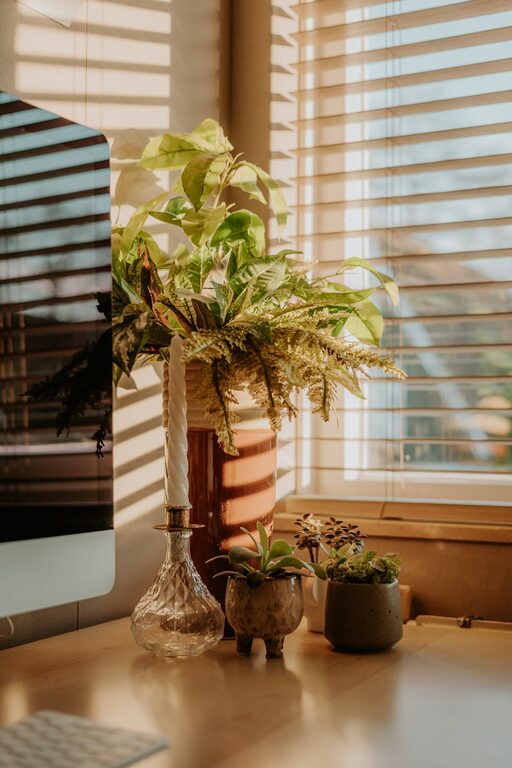
Natural light can boost mood and energy levels. Choose a space near a window if possible. Position your desk so that sunlight illuminates your workspace without causing glare on your computer screen.
Minimize Noise Distractions
If external noise is an issue, try to set up your office in a quieter part of the house. Using rugs, curtains, or even noise-canceling devices can help reduce sound disturbances.
Create a Separate Workspace
Designate an area solely for work to help mentally separate your job from your personal life, which supports relaxation after hours.
Ergonomic Furniture and Layout
Comfort is crucial for relaxation and sustained productivity.
Invest in a Good Chair
Choose an ergonomic chair that supports your lower back and allows your feet to rest flat on the floor. Adjustable features help you customize the fit.
Desk Height and Position
Ensure your desk height allows your arms to rest comfortably at a 90-degree angle. Your computer screen should be at eye level to avoid neck strain.
Keep Essential Items Within Reach
Organize your desk so that frequently used tools and documents are easily accessible, reducing unnecessary stretching or standing.
Declutter and Organize
A tidy workspace reduces stress and helps maintain focus.
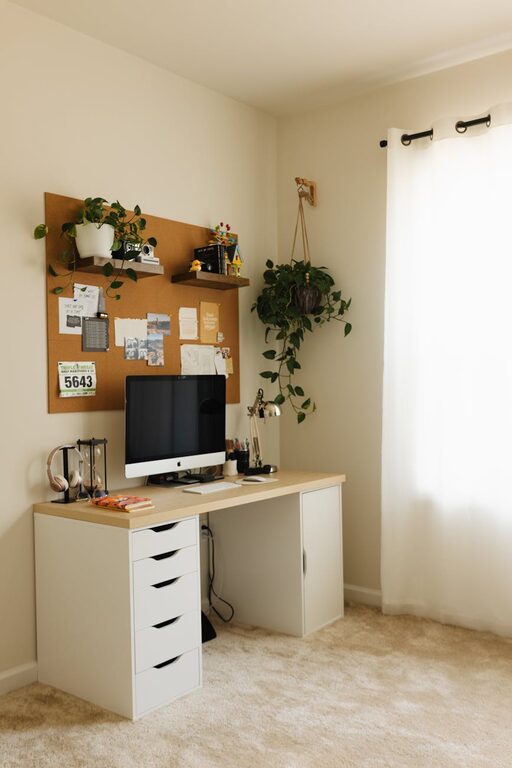
– Use organizers like trays, shelves, or drawer dividers to keep supplies orderly.
– Clear unnecessary items from your desk.
– Develop a daily habit of tidying up to maintain an inviting atmosphere.
Incorporate Soothing Colors and Décor
Colors and décor significantly influence mood.
Choose Calming Colors
Soft blues, greens, or neutrals tend to create a peaceful ambiance. Avoid overly bright or harsh colors that can be distracting.
Add Personal Touches
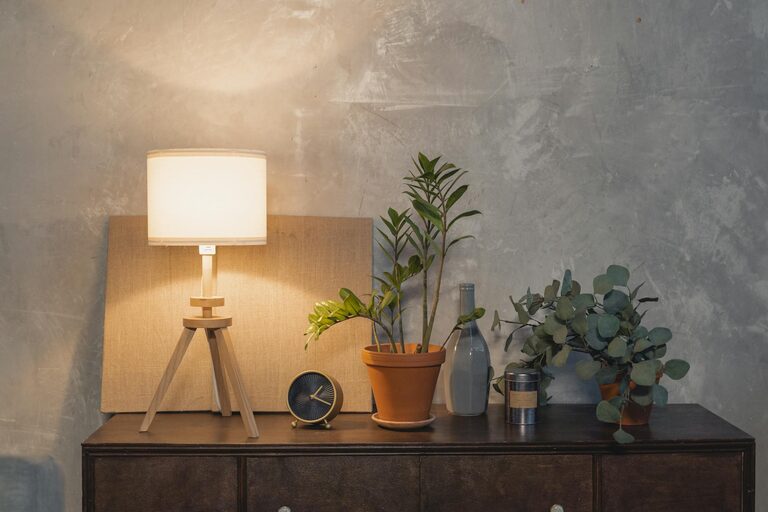
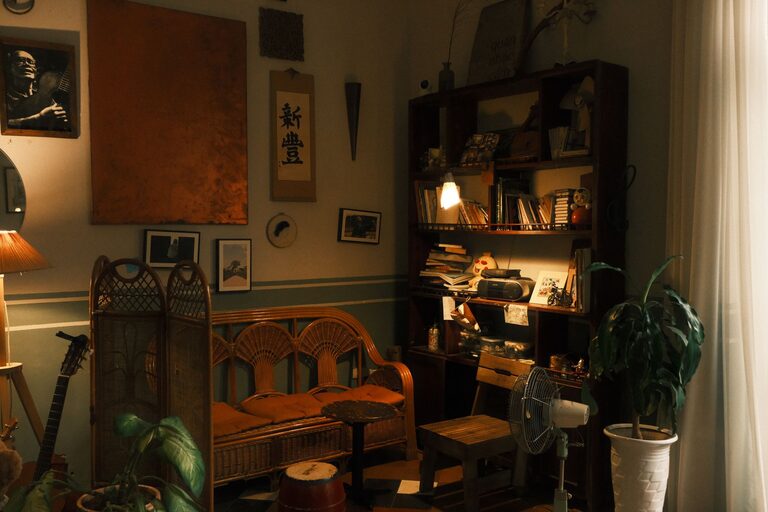
Incorporate a few meaningful items such as photos, artwork, or plants. These can enhance comfort without cluttering your space.
Bring Nature Indoors
Plants improve air quality and add a calming element to your office.
– Select low-maintenance plants such as succulents or snake plants.
– Place them where they receive appropriate light but don’t overcrowd your desk.
Control Lighting
Good lighting is key to reducing eye strain and creating a relaxed mood.
– Use adjustable desk lamps to supplement natural light during darker hours.
– Opt for warm or soft white bulbs rather than harsh fluorescent lighting.
– Consider using window treatments like blinds or sheer curtains to manage sunlight intensity.
Manage Technology Efficiently
Technology can either support or disrupt your relaxation.
– Hide cords and cables using clips or covers to avoid messy tangles.
– Use noise-canceling headphones if you work in a noisy environment.
– Set up software or apps that help you manage breaks and reduce screen fatigue.
Establish a Daily Routine
Having a routine helps your mind associate your office with work, improving focus during the day and relaxation afterward.
– Start your day at a consistent time.
– Include brief breaks to stretch or breathe deeply.
– End your workday by turning off devices and tidying up.
Incorporate Relaxation Techniques
Lastly, include small relaxation practices in your day to support calmness.
– Use an essential oil diffuser with calming scents like lavender or eucalyptus.
– Practice simple stretching exercises at your desk.
– Play soft background music or nature sounds if it helps concentration.
—
Creating a relaxing home office is about balancing comfort, organization, and personal style. By applying these tips, you can enjoy a peaceful workspace that encourages productivity and well-being. Take the time to design a space that works uniquely for you — your work and your mind will thank you!